
Insights
Australian innovation policy and research commercialisation.

Building the Translation Engine
Three voices converged at the launch of Turning AI into Productivity; translation capability is the missing instrument. Our research foundation is world class, we need to build our translation engine.

Richer Not Stronger
Australia’s mining boom made us wealthier as a nation, but not more capable. Treasury’s Intergenerational Report shows the 2000s were built on commodity prices, not productivity. The knowledge rents went offshore with the companies that captured them. We must understand why to capture the Industrial AI opportunity.
Measuring Impact
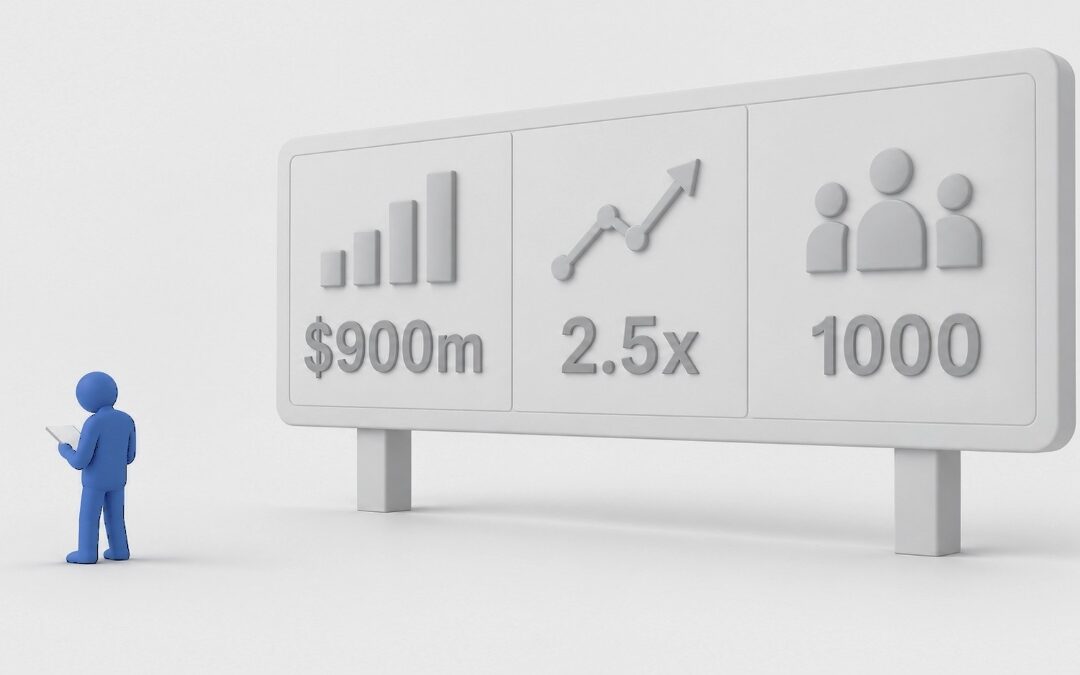
Measuring impact sounds easy, but in practice most programs settle for reach and attendance. We chose to measure jobs created and economic contribution, which was harder to achieve but the only measures that really mattered

Not Uniquely Australian
A recent article from UK’s Russell Group provides an example of how Australia’s innovation challenge is not unique to us. When policy is designed by institutions who also depend on its funding, you get the same incentives, the same metrics, and the same commercial gaps no matter where you are.

Definition of Industry
The term ‘industry’ appears in every collaborative research funding program. It is a complex concept masked by a simple term, and every stakeholder means something different by it. That inadvertent mismatch is costing us more than we realise.

Reality Check
Government closed AEA and redirected more funds to CSIRO. The sector sees devastating cuts, but maybe the government is recognising departments lack capability for commercial translation. That’s not failure, that might be progress

New acronyms, same outcome
Why SERD consolidation into NSIs destroys the commercial relationships Australia’s innovation system needs.

Ambitious Australia; the Greater Good
The R&D review diagnoses correctly, but designs conservatively for the greater good. Australia’s existing companies that could be the translation engine, remain overlooked.

Middle Australia
IISA identifies medium-sized enterprises as Australia’s missing middle, the Growth Centres proved it works: $1.23 billion returns on $305 million invested. Why does this compelling evidence get ignored?

Looking Past Success
Australian innovation policy is coming off peak government enthusiasm but starved of support. Ministers celebrate WiFi, CPAP devices and polymer banknotes in keynote after keynote – meanwhile Australian programs get defunded and local companies are left to fend for themselves.